

What Nepal's Privacy Act, 2075 asks of CCTV operators
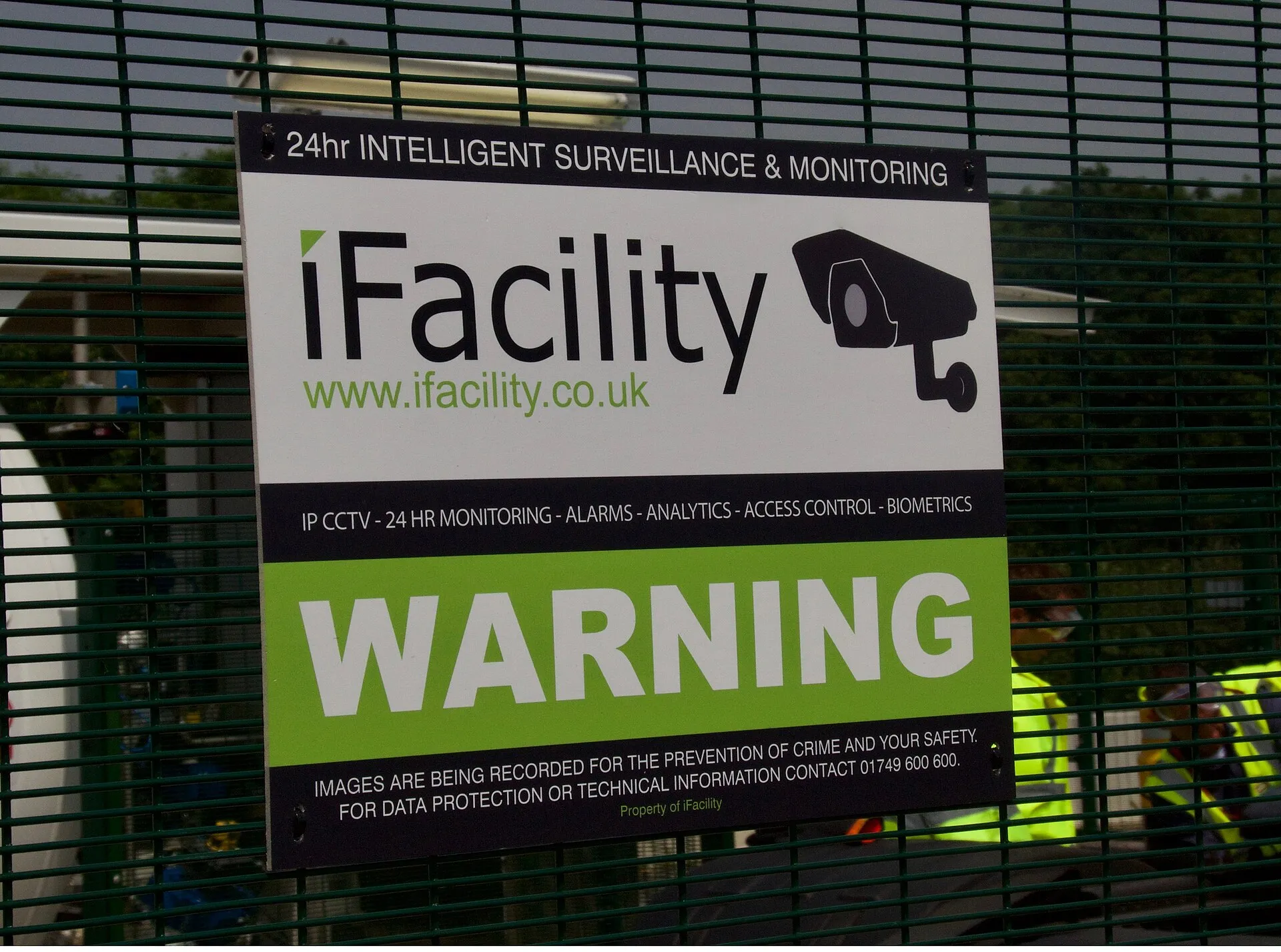
Key takeaways
- Government and public bodies that install CCTV are to inform the police or District Administration Office within 15 days.
- The three-month minimum for keeping footage comes from the Home Ministry's CCTV procedure, not the Privacy Act itself.
- Footage is to be given to the police on request, so operators need a request and delivery trail.
- Banks, financial institutions, malls, jewelers and cybercafes are among the places required to run CCTV.
- This is a plain summary, not legal advice.
On this page
This is a plain summary, not legal advice. Read the Act, or ask a lawyer, before you rely on any of it.
Nepal’s Privacy Act, 2075 (2018) is the first law in Nepal to say how CCTV footage should be handled. Four of its points matter most to people who run cameras.
1. Public bodies tell the authorities
Government and public bodies that install CCTV are to inform the police or the District Administration Office within 15 days. The notice names the sites and the purpose.
2. Footage is kept for a minimum period
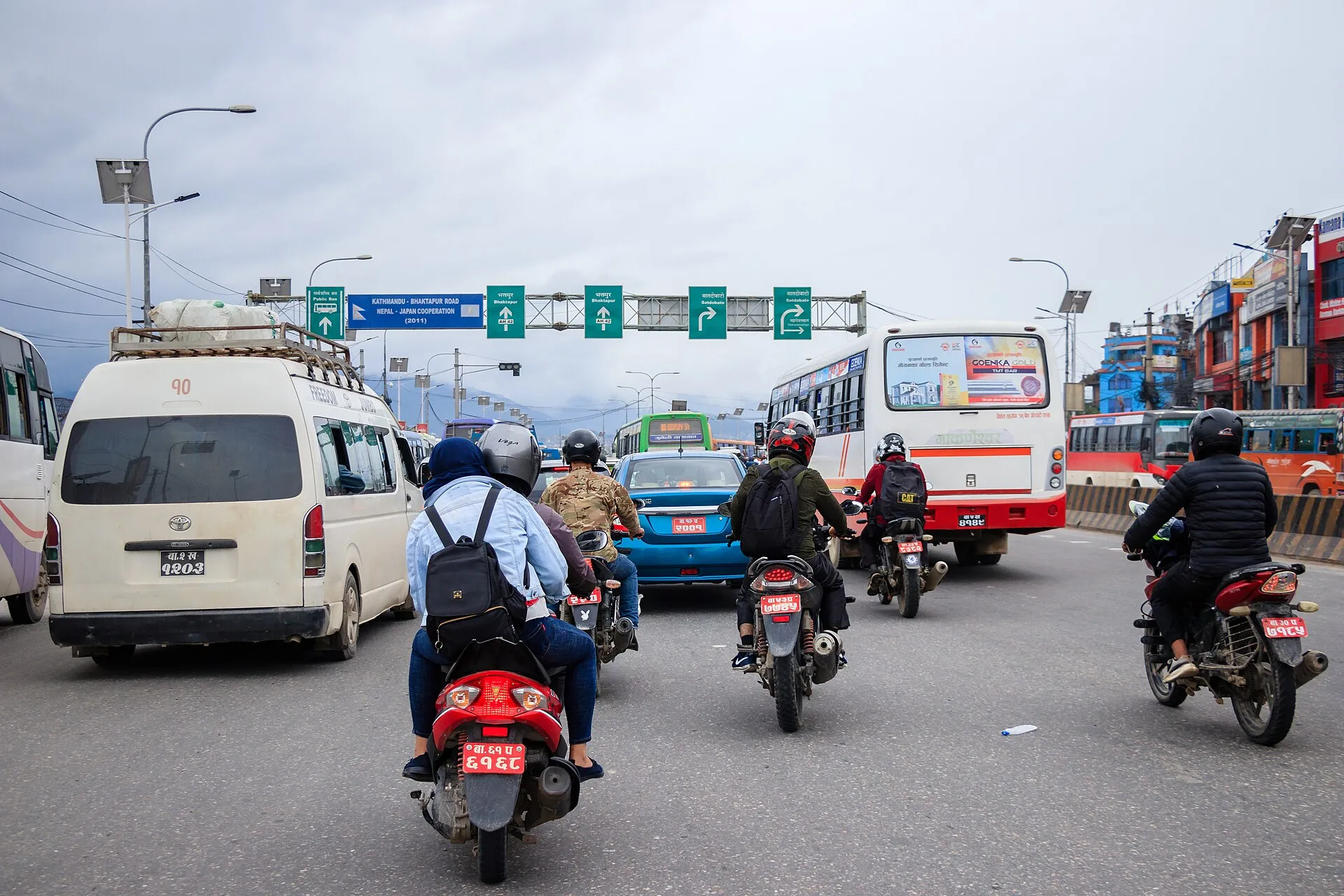
The Privacy Act itself sets no retention period. The three-month figure comes from the Ministry of Home Affairs’ CCTV Installation and Operation Procedure, which, as amended in 2019, says footage records shall be kept for at least three months and provided to Nepal Police and other agencies on request (Himalayan Times, 15 February 2019). Treat it as a floor. If a case is open, footage involved is held for as long as the case needs.
3. Police can ask for it
Footage is to be given to the police on request. The operator needs a way to receive the request, decide on it, deliver the right footage and prove what was delivered.
4. Some places must run CCTV
Banks, financial institutions, malls, jewelers and cybercafes are among the places required to run CCTV, so they also need the first three to work.
What this asks of your system
- Notice to authorities: a record of sites and cameras you can turn into a notice.
- Three months of footage: a retention floor nobody can shorten by mistake.
- Delivery to police: a request, approval and delivery trail.
- Care of personal data: roles, an audit log and exports that are tracked.
How LunaCam helps
LunaCam fills in the notice, sets a retention floor, runs a request, approval and delivery workflow, and logs every view and export. See Evidence and Compliance. For how an export holds up as evidence, read exporting CCTV evidence that stands up.
The legal duty stays with the operator. The software only makes it possible to meet it.
Questions people ask
Does every shop need to notify the police?
The notice duty summarised here applies to government and public bodies that install CCTV. Private operators should read the Act or ask a lawyer about their own duties.
How long must footage be kept?
The Act sets no retention period. The Ministry of Home Affairs' CCTV Installation and Operation Procedure, as amended in 2019, asks for footage to be kept for at least three months and shared with Nepal Police on request.
Is this legal advice?
No. It is a plain-language summary. Check the Act and your own circumstances with a lawyer.
Image credits
- “IFacility-cctv-warning-sign” by RickySpanish, CC BY-SA 4.0. Resized.
- “Koteshwor, Kathmandu-8647” by Bijay Chaurasia, CC BY-SA 4.0. Resized and cropped.
- “Surveillance camera by St. George's Parish Church, Piran, Slovenia” by Michal Klajban, CC BY-SA 4.0. Resized.


